
Choosing the right video intercom system can feel like a daunting task, especially with so many options flooding the market today. Whether you're upgrading a family home or securing a commercial premises, understanding the key factors that separate a reliable system from a mediocre one will save you both money and frustration down the line. From wiring choices to camera specifications, this guide walks you through everything you need to know before making your final decision.
In brief
- The foundation of a video intercom system depends on choosing the right architecture, such as SIP, TCP/IP, or 2-wire configurations based on your building type and budget.
- Wired systems are generally more reliable and durable than wireless options, as they avoid signal interference and power-related issues.
- Hardwired solutions remain the industry standard for security because they provide stable connections and superior audio-visual quality.
- Selecting a monitor between 7 and 10 inches balances screen visibility and practical space requirements for identifying visitors.
- Key camera features like night vision and wide-angle lenses are essential for maintaining effective security and eliminating blind spots around the clock.
- Smartphone integration and cloud connectivity allow users to manage two-way communication and remote unlocking from anywhere, which is now a standard expectation.
- The overall installation complexity and costs should be carefully evaluated by considering established, reputable security brands.
Understanding video intercom system types and their reliability
Before diving into screen sizes and camera specs, it's worth taking a step back to consider the fundamental architecture of your chosen system. Video intercom systems generally fall into a handful of categories, including SIP, TCP/IP, and traditional 2-wire configurations, each suited to different building types and budgets. Getting this foundational choice right sets the tone for everything else, from installation complexity to long-term dependability.
Wired vs wireless video intercom systems: which offers greater dependability?
The debate between wired and wireless setups is one that comes up time and again, and for good reason. Wireless systems certainly have their appeal; they're generally easier to install, offer greater flexibility when it comes to positioning, and often come packed with smart features that appeal to tech-savvy homeowners. However, they can suffer from reliability issues, particularly in properties with thick walls or significant distance between the door station and the indoor monitor. Power dependency is another consideration, as a wireless unit without battery backup could leave you vulnerable during an outage.
Wired systems, on the other hand, tend to offer superior durability and consistent performance. While the installation process is undeniably more involved, and may require professional consultation, the trade-off is a system that simply works, day in and day out, without the interference or dropout that sometimes plagues wireless alternatives. For anyone prioritising reliability above convenience, this is a significant factor worth weighing carefully.
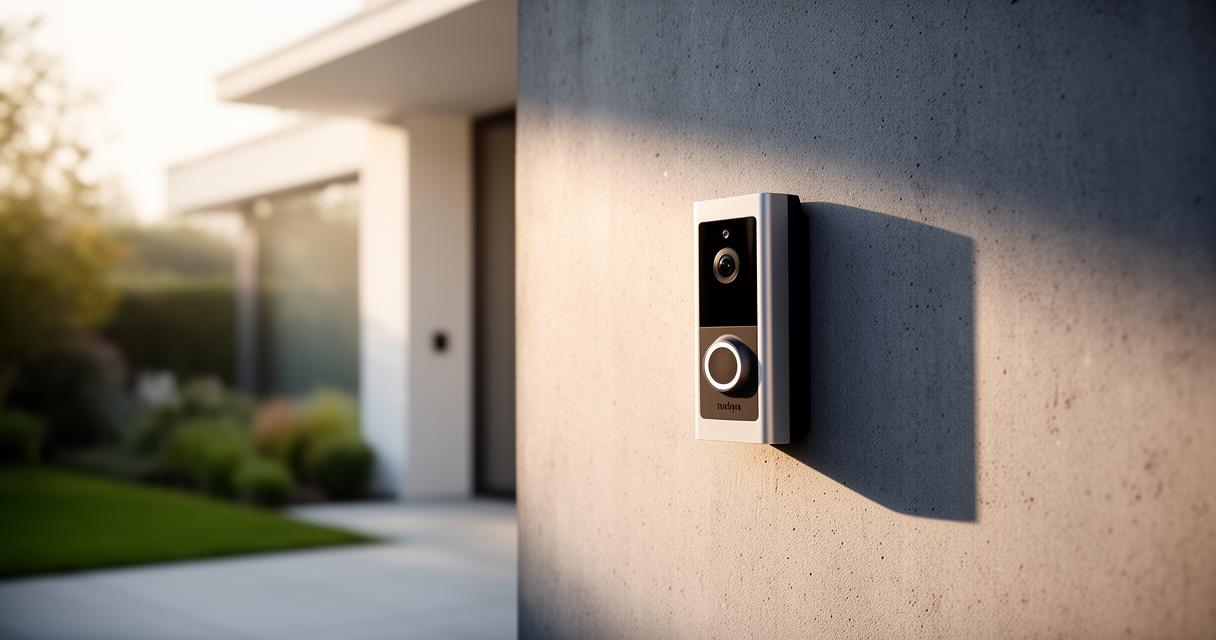
Why Hardwired Solutions Remain the Gold Standard for Home Security
There's a reason many security professionals still recommend hardwired solutions for residential and commercial properties alike. The connection is stable, the audio and video quality tend to be sharper, and there's no risk of signal interference from neighbouring Wi-Fi networks or GSM congestion. Companies specialising in access control and security systems, such as those offering AJAX intruder alarms and gate automation alongside intercom solutions, often point to hardwired setups as the backbone of a truly dependable security automation package. Although the upfront installation cost might be higher, many homeowners find the long-term peace of mind well worth the investment.
Screen Size and Camera Quality: Maximising Visibility and Security
Once you've settled on wired versus wireless, attention naturally turns to the visual components of your system. After all, a video intercom is only as good as what you can actually see on the screen when someone rings your bell.
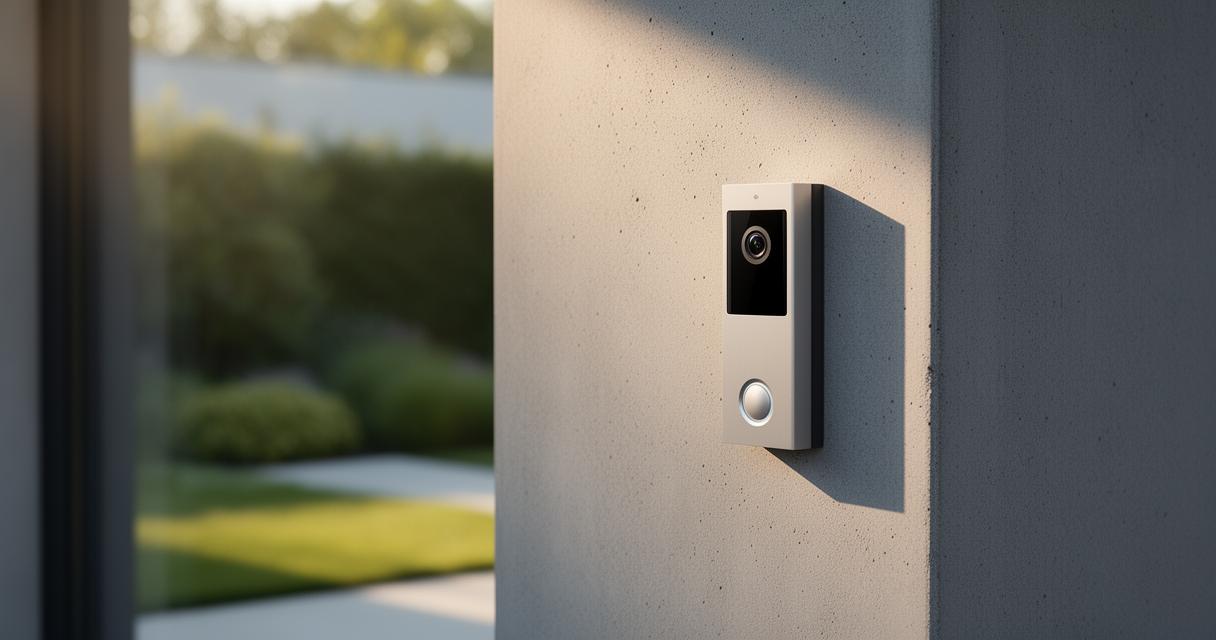
Choosing the Optimal Monitor Size: From 7 to 10 Inches for Enhanced Clarity
Screen size matters more than many people initially realise. A monitor ranging between seven and ten inches strikes a comfortable balance between visibility and practicality, allowing you to clearly identify visitors without the unit becoming an eyesore mounted on your wall. Smaller screens can leave you squinting to make out facial features or reading number plates on a delivery van, whereas larger displays offer a more immersive, confident view of whoever is standing at your door or gate. If your property includes car park barriers or door automation at multiple entry points, a larger screen can also make it easier to monitor several camera feeds simultaneously.
Essential Camera Features: Night Vision and Wide-Angle Lenses for Complete Coverage
Beyond screen size, the camera itself deserves careful scrutiny. Night vision capability is non-negotiable for anyone serious about round-the-clock security, as most intrusions and unwanted visits happen after dark. Equally important is a wide-angle lens, which ensures you're not left with awkward blind spots just outside the camera's field of view. Combined with CCTV surveillance elsewhere on the property, a high-quality intercom camera contributes significantly to comprehensive building safety. Some premium models also offer motion detection and smart notifications, alerting you directly to your smartphone the moment someone approaches, which adds another layer of proactive protection.
Audio performance, smartphone integration, and installation considerations
With the visual elements sorted, it's time to consider how well the system actually communicates, both in terms of sound quality and how seamlessly it integrates with your daily life through mobile connectivity.
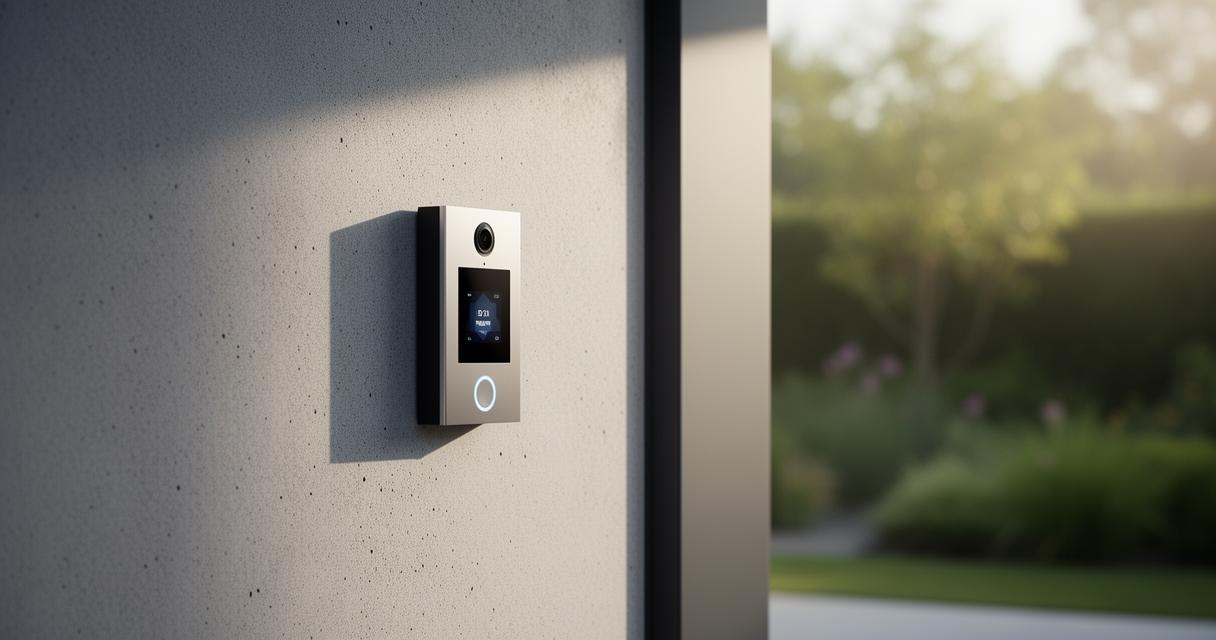
Ensuring crystal-clear two-way communication and remote mobile access
A video intercom without decent audio is only doing half its job. Clear, two-way communication means you can actually hold a proper conversation with whoever's at the door, whether that's a courier, a guest, or someone less welcome. Increasingly, buyers are prioritising smartphone integration, which allows remote unlocking and monitoring even when you're miles away from the property. This feature has become something of a standard expectation rather than a luxury add-on, particularly for busy households or commercial premises where multi-user support is essential. Cloud connectivity further enhances this experience, syncing data across devices and enabling instant alerts wherever you happen to be.
Evaluating Installation Complexity and Cost: What to Expect from Trusted Brands
Finally, it's worth being realistic about installation demands and overall budget. Established brands including Philips, WelcomeEye, Videx, Comelit, Aiphone, and Hikvision have built solid reputations over the years, offering systems that balance quality with manageable installation requirements. That said, costs can vary considerably depending on whether additional wiring is needed, the complexity of your existing infrastructure, and whether you opt for professional fitting versus a DIY approach. Companies with over a decade of experience in compliant security and automation systems, such as those also providing locks, closers, and CCTV alongside intercom installation, can offer tailored guidance to ensure you're not paying for features you don't need. Taking the time to assess your specific requirements, consult a professional, and test the system thoroughly after installation will ultimately determine whether your investment delivers the security and convenience you're after for years to come.