
Choosing a multi-cooker for your kitchen can feel like a daunting task, especially when a brand like Philips sits alongside a crowded field of competitors all promising to simplify your cooking routine. Whilst much of the current buzz around multi-cookers in 2025 has focused on models such as the Ninja Foodi MAX 15-in-1 SmartLid or the Instant Pot Plus, safety features remain one of the most overlooked yet essential considerations when comparing appliances. This article takes a closer look at how automatic shut-off and child lock mechanisms function across various multi-cooker ranges, helping you make a more informed decision for your household.
Key points
- Safety features like automatic shut-off and child locks are essential considerations when choosing a multi-cooker, especially for households with children.
- Philips Viva and Premium collection models utilize sensors to automatically cut power, preventing overheating and ensuring safe operation.
- Child lock mechanisms are a critical design feature that prevents children from accidentally changing cooking settings or opening pressurized lids.
- While budget-friendly appliances often feature basic safety mechanisms, premium models typically incorporate more sophisticated and nuanced protective technology.
- Pressure cooking requires advanced safety protocols, which vary significantly between manufacturers like Philips, Instant Pot, and Tefal.
- When selecting a multi-cooker, consumers should balance essential safety features against practical needs such as capacity, cooking functions, and price.
Safety Features in Philips Multi-Cookers: Automatic Shut-Off and Child Lock Mechanisms
When it comes to kitchen appliances that combine pressure cooking, air frying, and slow cooking within a single unit, safety mechanisms are not merely an afterthought but a core design consideration. Multi-cookers, by their very nature, handle high temperatures and pressurised environments, meaning that robust protective features are essential for everyday use, particularly in busy households where distractions are common.
Understanding Automatic Shut-Off Technology in Philips Viva and Premium Collections
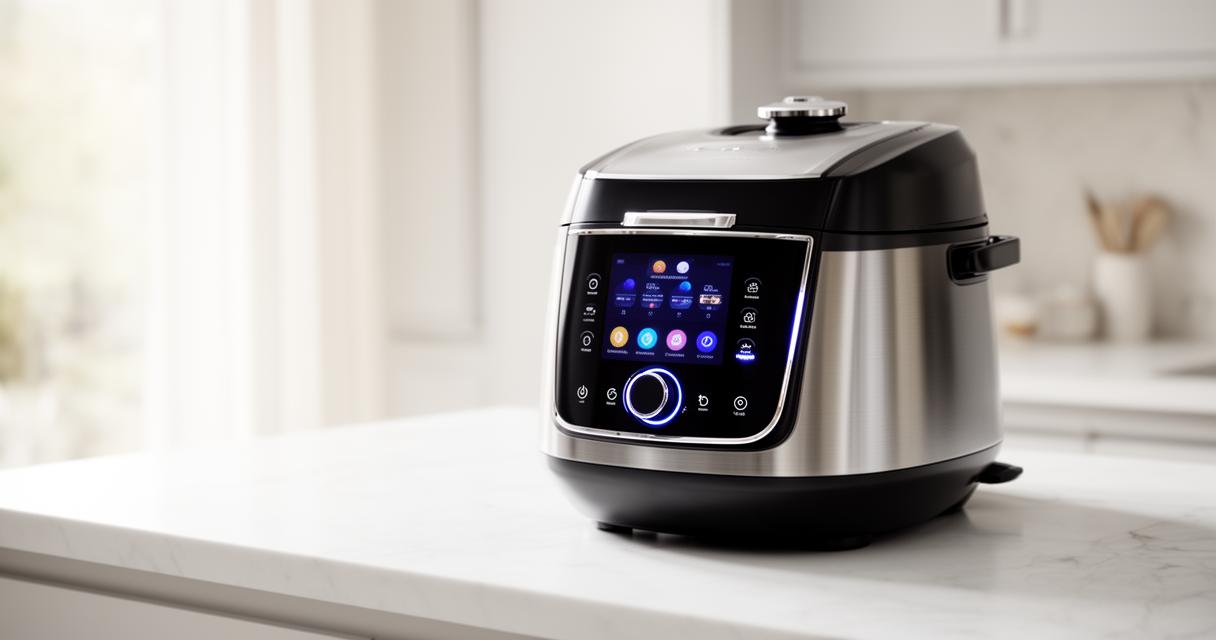
The Viva collection and its premium counterparts incorporate sensors designed to detect when cooking has finished or when something has gone amiss, automatically cutting power to prevent overheating. This kind of automatic shut-off technology has become something of an industry standard, and it's worth noting that competitors such as the Instant Pot Plus, with its 5.7 litre capacity and nine functions, also rely on similar safeguards to manage pressure cooking safely. The appeal of this feature lies in its silent efficiency; you needn't hover over the appliance, worrying about whether you've left it unattended for too long.
Child lock functionality: protecting your family during meal preparation
For families with young children underfoot during meal prep, a reliable child lock can make all the difference. This feature typically prevents little hands from accidentally altering settings or opening a pressurised lid mid-cycle. It's a detail that's easy to overlook when comparing specifications on paper, yet it becomes invaluable once you're juggling dinner preparation with supervising curious toddlers. Whilst not every model on the market prioritises this, it's an area where thoughtful design genuinely enhances everyday usability and peace of mind.
Model-by-model analysis: safety features across philips multi-cooker variants
Not all multi-cookers are created equal, and this becomes particularly evident when you examine how safety features scale across entry-level and premium ranges. Testing conducted on seven multi-cookers for their convenience, versatility, and overall value revealed some interesting patterns worth exploring.
Comparing Safety Systems in Entry-Level and Premium Philips Multi-Cookers
Budget-conscious buyers often gravitate towards more affordable options, and here the VonShef Electric Round, priced at under forty pounds, demonstrates that even budget-friendly appliances can include basic safety mechanisms, albeit with fewer functions overall. By contrast, premium models tend to layer additional protective features atop their core safety systems, offering more nuanced control. The Ninja Foodi MAX 15-in-1 SmartLid, priced at three hundred and nineteen pounds, was praised during testing for its clear instructions and reliable performance, suggesting that higher investment often correlates with more sophisticated safeguarding technology alongside its fifteen distinct functions.
Pressure cooking safety: how philips implements protective measures versus competitors
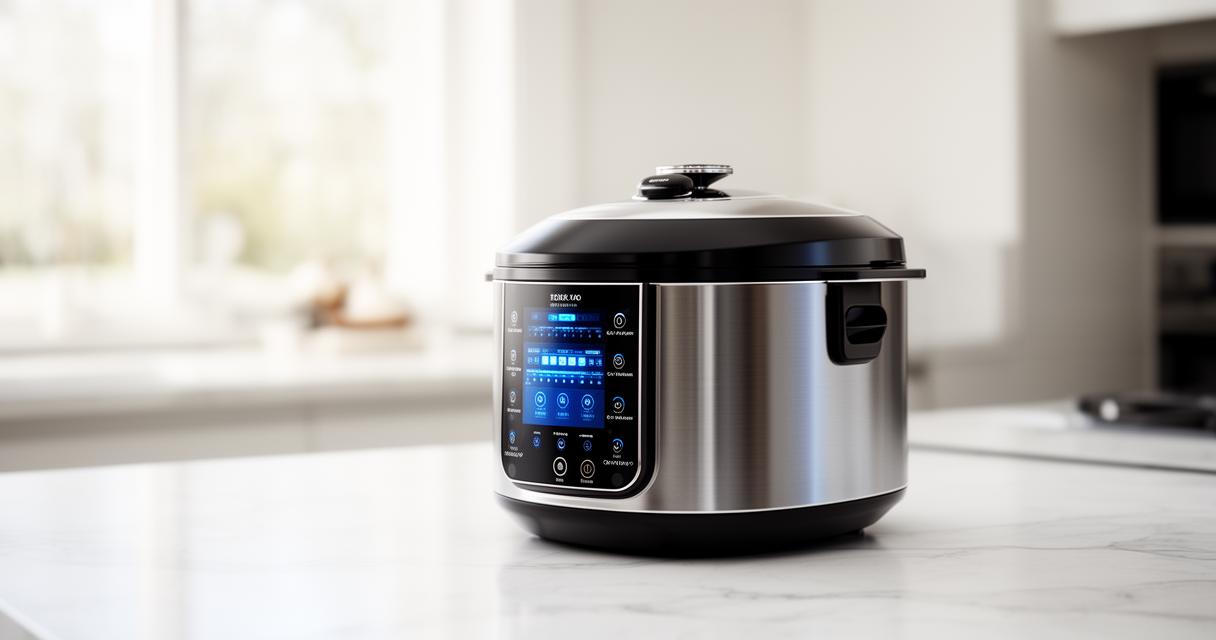
Pressure cooking remains one of the trickiest functions to manage safely, given the build-up of internal pressure during operation. Whilst Philips has its own approach, it's useful to compare this against dedicated pressure cooking specialists. The Instant Pot Plus, for instance, is widely regarded as advanced in this respect, though it can prove somewhat challenging for those less comfortable with technology. Meanwhile, appliances like the Tefal Multicook Actifry, which boasts fourteen functions across a six litre capacity, sidestep pressure cooking altogether, focusing instead on air frying versatility. This divergence highlights how different brands prioritise safety according to their core cooking methods.
Practical Considerations: Selecting the Right Philips Multi-Cooker for Your Household
Beyond safety, choosing the right multi-cooker involves weighing up practical factors such as capacity, available cooking programmes, and how well the appliance fits your typical cooking habits. Households vary considerably in their needs, from those wanting to batch cook for the week ahead to smaller families seeking a compact solution.
Balancing Safety Features with Capacity and Cooking Programmes for Family Needs
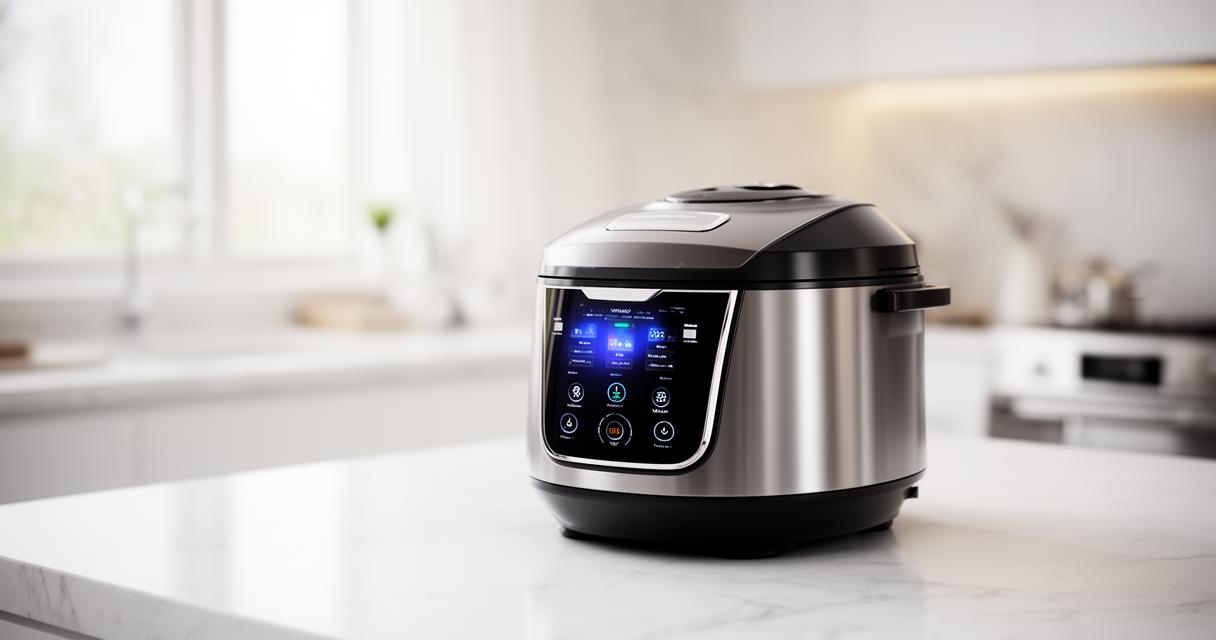
Larger households might lean towards appliances with greater capacity, such as the Our Place Wonder Oven, which offers twelve litres of cooking space, making it well suited for those wanting to prepare meals for several people at once despite its more limited six functions. On the other hand, the Morphy Richards 6.5 litre Multifunction, with its ten different modes, has been noted as particularly good for batch cooking, though it lacks air frying and pressure options. Balancing these cooking functions against safety considerations ensures you're not sacrificing convenience for protection, or vice versa.
Price-to-safety ratio: evaluating value across the philips multi-cooker range
Ultimately, value for money isn't solely about the number of functions or the size of the bowl; it's about how well a multi-cooker performs its promised tasks whilst keeping your household safe. The removable bowl design featured across many models simplifies cleaning considerably, adding to the overall convenience factor. Comparing Philips against brands like Moulinex and Redmond reveals differences not just in pricing but in how safety features are integrated into the overall build quality. The Good Food 12-in-1, priced at just under one hundred and twenty pounds, offers a solid middle ground, though it comes with limited recipe guidance and no air frying capability. When weighing up your options, consider not just the upfront cost but how safety, capacity, and everyday usability align with your household's specific needs, ensuring your investment serves you well for years to come.